What is Reconciliation Ecology?
Many people make a sharp distinction between nature conservation areas and areas occupied by humans. To them, the border between a national park or nature reserve and the adjacent farmland or urban neighbourhood is a hard line. On the nature side of the line we preserve wild species — it’s their place — but on the human side we can disregard wild species and do whatever suits our lifestyles, our economies, our aesthetic preferences, etc.
My impression is that most people feel that it’s completely OK for human areas to exist solely for our species because wild species have conservation areas that we’ve set aside pretty much exclusively for them. Us here, them there… it’s all good, right?
This distinction means that conservationists have traditionally focused on saving species in natural areas and figuring out how best to manage those areas. For conservationists, land that's occupied by farm fields, cities, factory complexes, office campuses and so on has traditionally been considered “transformed” and therefore worthless to nature, and has been drawn on maps in lifeless grey in contrast to green natural space.
In 2004 I encountered a book titled Win-Win Ecology by Michael L. Rosenzweig, an American ecologist, which opened my mind to the value of human spaces for wild species. It was one of the key texts that allowed me to realise that many ideas, laws, policies and customs we’ve developed about wild species on the basis of the clear separation of human and natural areas are not just scientifically and ethically misleading but also harmful.
I think we need to think a lot harder – and better – about the borderlines between human and natural spaces, and about wild species on “our” side of those lines.
Rosenzweig presents a simple argument in his book. Ecologists, he states, have long known that larger areas contain more natural species than smaller areas do. Larger islands have more species than smaller islands, and as you survey ever-larger patches of natural land, you will find more species as you go. The species-area relationship is one of ecology’s few general rules, and its implication for conservation is that the size of the area you allocate to nature is of crucial importance.
If you only set aside a small part of a given region for nature (for example 10% of a country’s grassland habitat) and allocate the rest to exclusive human use, species will begin to go extinct in that small natural area and, over time, it will only sustain a small percentage of the wild species that formerly lived in that habitat. (Rosenzweig presents data, equations and graphs to support this assertion, which you can see at this link.)
Because humans have already allocated the vast majority of most habitats to ourselves, he writes, we should expect most wild species to go extinct unless we redesign human spaces so that a broad diversity of wild species can also use them. Rosenzweig calls this Reconciliation Ecology, more simply stated as “conserving wild species where humans live, work and play”.
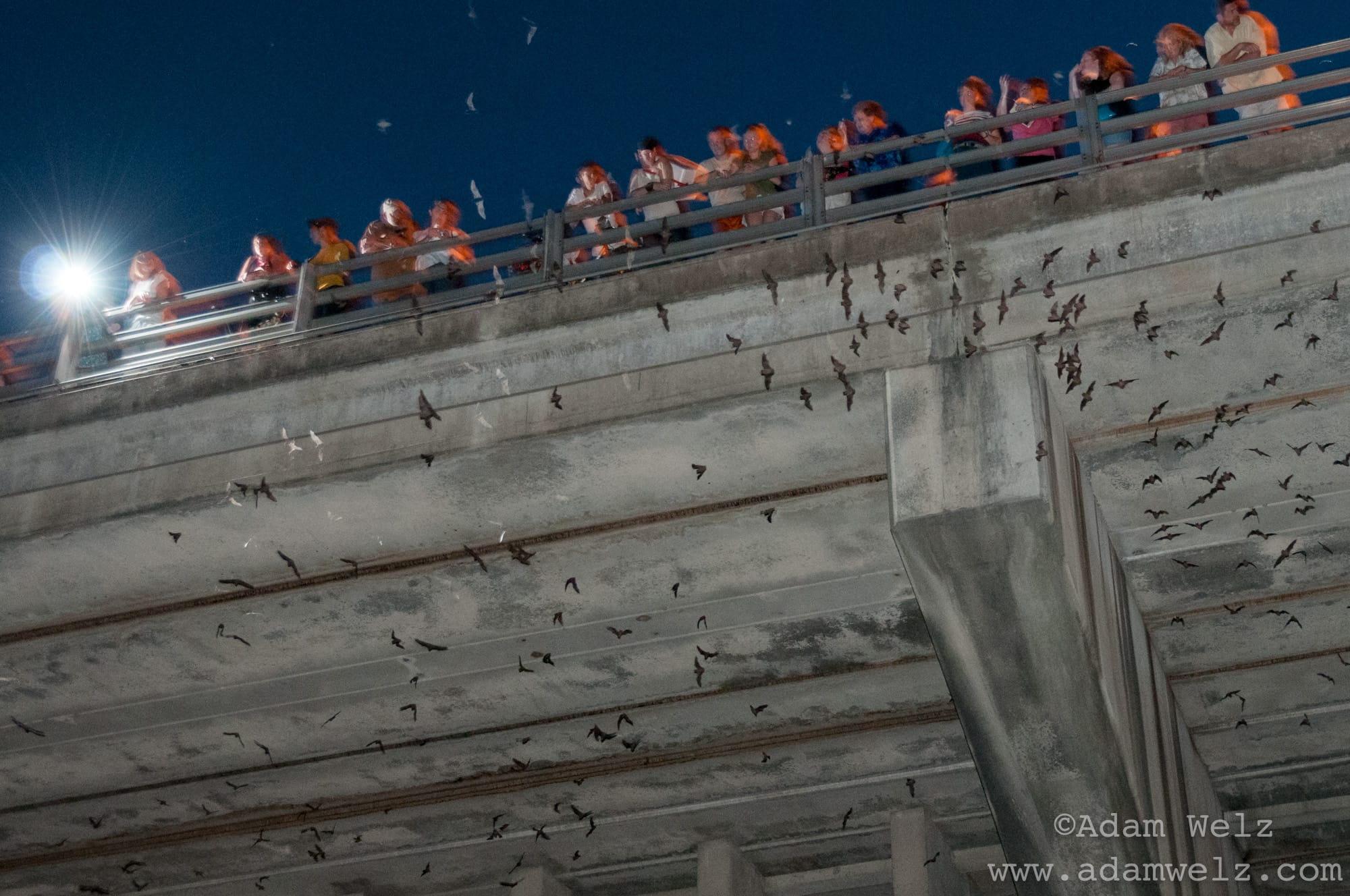
In Win-Win Ecology (which I encourage you to read) Rosenzweig describes inspiring examples of wild species thriving in human spaces around the world, one of which I was fortunate to see for myself. In Austin, Texas, about 1.5-million (!) Mexican Free-tailed Bats seasonally roost under a large bridge over the Colorado River in the city centre, forming the world’s largest bat colony. It turns out that a 1980s renovation unintentionally created crevices under the bridge that mimic the bats’ warm, dark cave habitat.
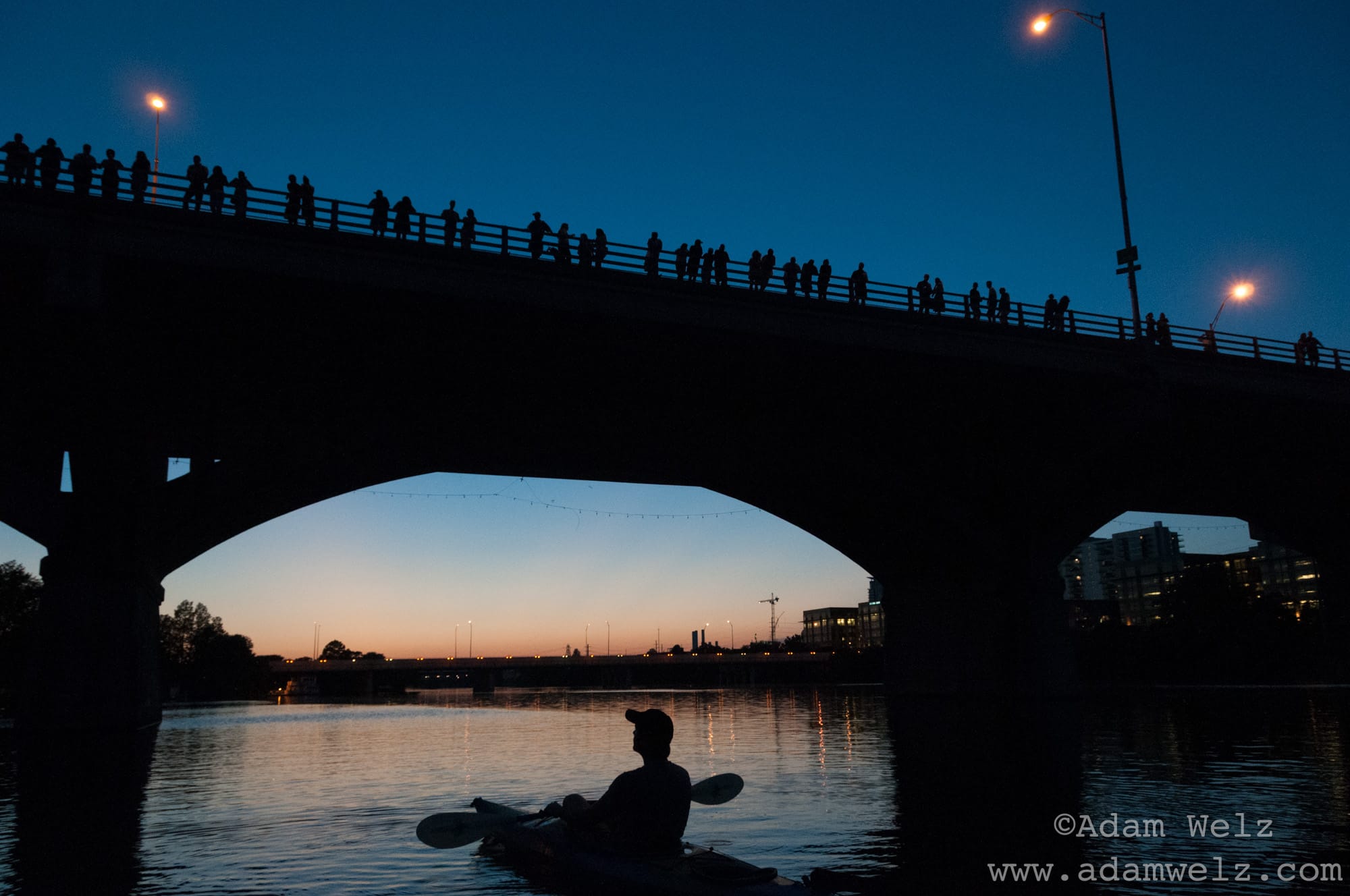
One spring evening in 2008 a friend and I paddled out towards the bridge. Hundreds of people were already waiting above us. Shortly after sunset thousands upon thousands of bats began flying out from under it, forming a swirling, rustling smoke-like stream that eventually stretched kilometres across the sky. (1.5-million is a helluva lot of bats!) It remains one of my most memorable wildlife encounters and it took place not in a massive wildernessy national park, but in the middle of a city.
Whether you understand and endorse Rosenzweig’s arguments or not, I think it stands to reason that a particular species’ chance of surviving over the long term is strongly dependent on how many individuals there are of that species and how many places they live in. Survival is, to a large degree, a numbers and area game; the more individuals there are of a species and the larger the area they occupy, the less chance there is of them all being wiped out by fire, flood, disease, habitat destruction, pollution, rapid climate breakdown or whatever. (Of course there are examples of species like this one surviving at low numbers in small areas for a long period of time, but they are unusual.)
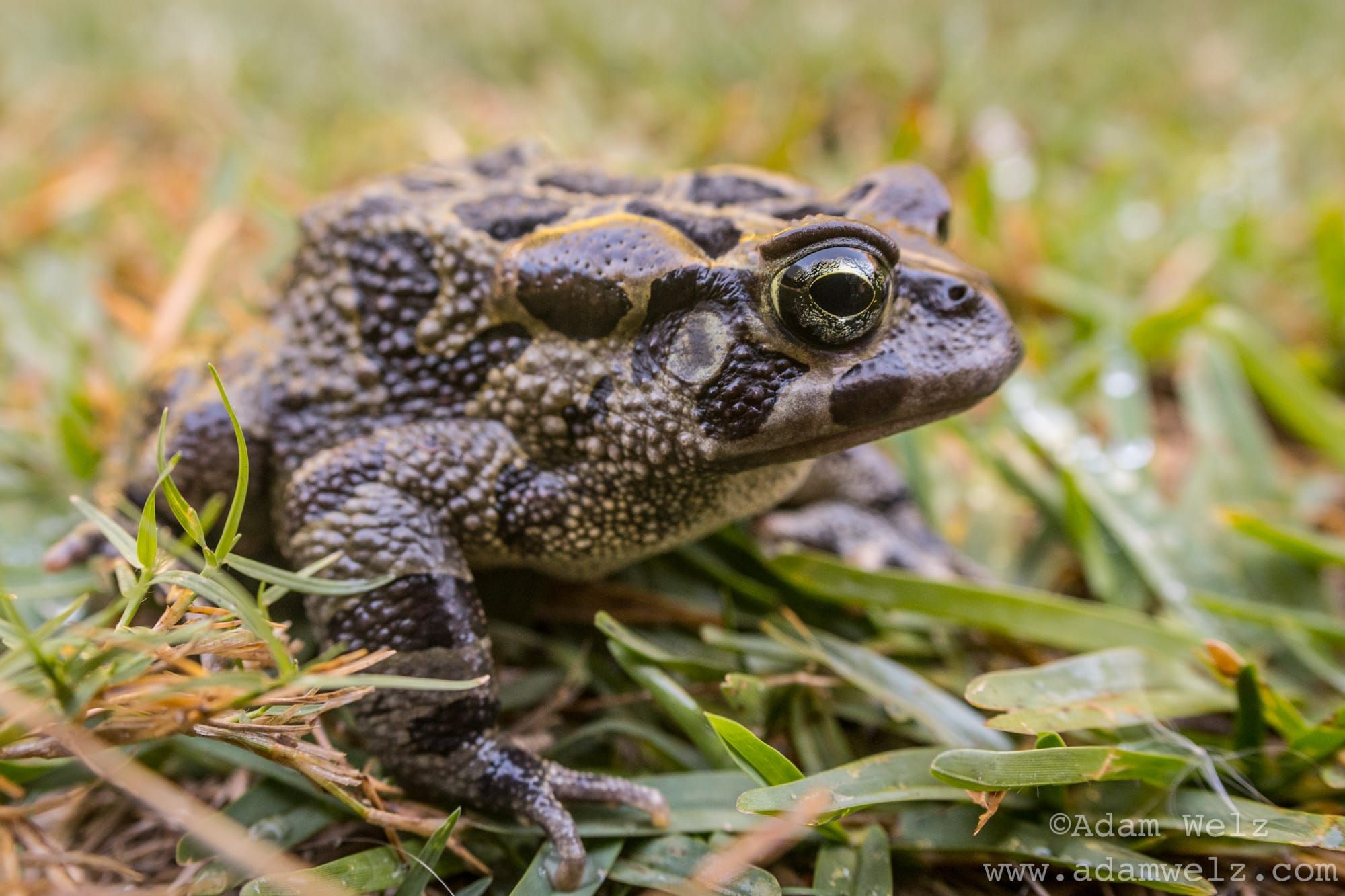
Here in mega-diverse Cape Town we have a large number of species that are threatened with extinction, many of which hang on only in small patches of land within or next to urban sprawl. We have many plant species, some amphibians and even butterflies on the Red List. As I’ve written before, our private gardens and public parks could be excellent places for these wild species to expand their populations into, but most indigenous gardening that gets done in the city is fake and often harmful to nature, and almost no architects or urban planners take wild species into account. We can make human spaces more resilient in the face of climate breakdown both for us and wild species. We urgently need to do a lot more reconciliation ecology here – and pretty much everywhere else on Earth.
Win-Win Ecology is inspiring, but it’s not a perfect book. One weakness is that it provides very little guidance on how to figure out which species should live in human spaces and which should not. I’ve been thinking about this for some years now and I've developed conceptual and ethical frameworks to guide reconciliation ecology work. These ideas will be trialled by the South Peninsula Nature Alliance so please subscribe to this newsletter — click the buttons on this site — to find out what comes next!
See you in the fynbos!
Adam Welz
P.S. Cape Town people: I'll be leading a wildflower walk in Kommetjie at 10:00 for 10:30am this Saturday, 19 September as part of our local Heritage Day celebrations. There will be other fun stuff to do in this little dorp, too. The walk is free, but please get a ticket in advance so we can accommodate you. Details at this link.
P.P.S. You can download my 2004 review of Win-Win Ecology here. It begins on the 2nd page of the PDF:
©Adam Welz / www.adamwelz.com
Follow the SPNA on Instagram at www.instagram.com/komfynbos/
Check out Adam Welz's nature photography at www.instagram.com/adamwelz.wild
None of the writing or photography on this site was produced with or by generative AI. All the typos, grammaticals & inelegant sentences are mine.