Purple & Poisonous: Paterson's Curse
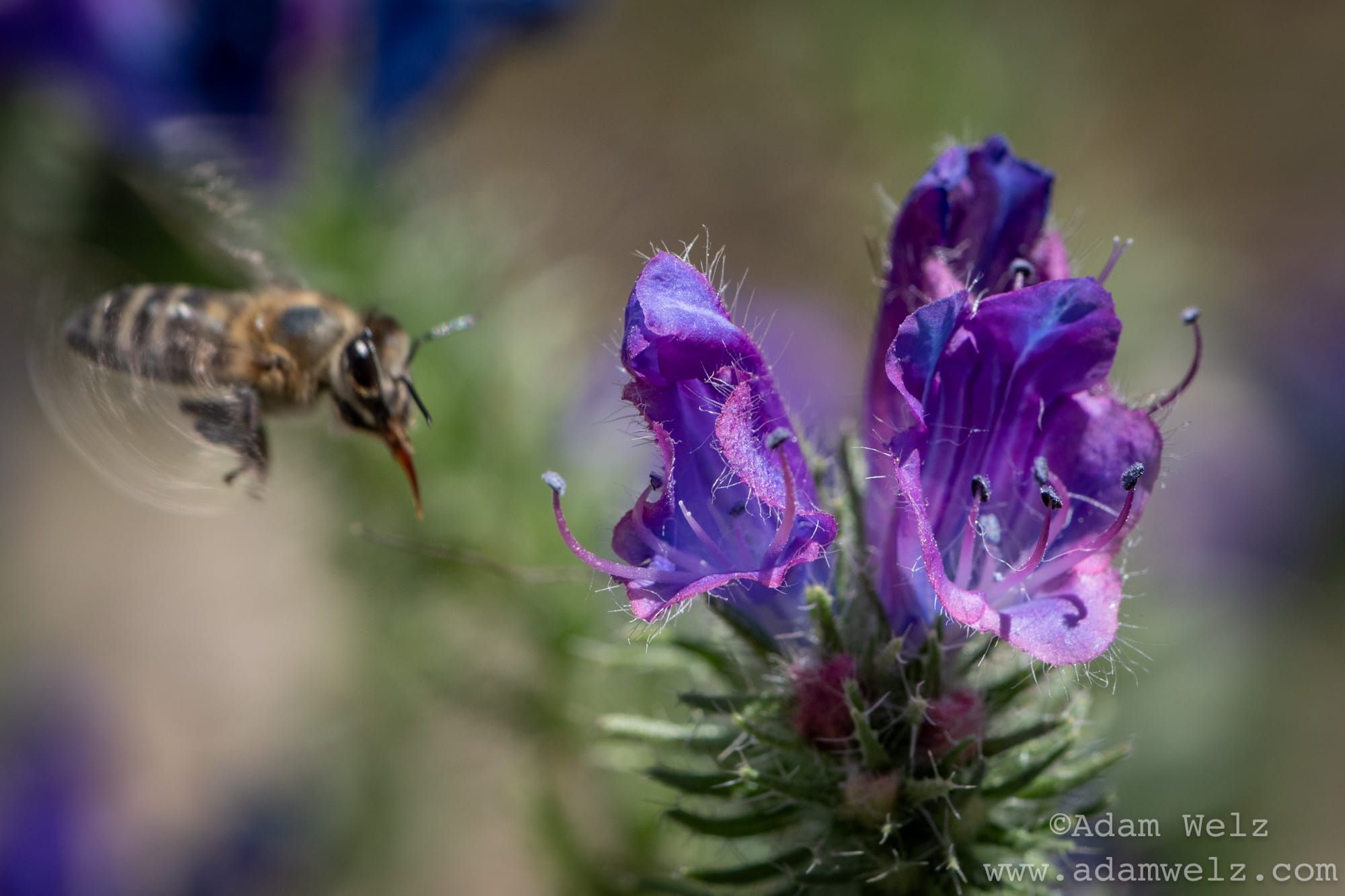
Have you noticed an unfamiliar purple-flowered plant on the South Peninsula recently? Maybe on a road verge as you drive to work?
Paterson’s Curse, also known as Purple Viper’s Bugloss or Echium plantagineum, is an invasive species that spreading fast on the South Peninsula. It’s a small annual plant, growing about 20cm to 60cm tall, with rough, spiky leaves and abundant purple flowers. It’s native to southern Europe, north Africa, and south-western Asia, but has been introduced to the western United States, Australia and of course South Africa.
Some people think it’s pretty and perhaps not as big of a deal as some of the better-known, larger invasive plants in this area such as Port Jackson Willow (Acacia saligna) and Rooikrans (Acacia cyclops).
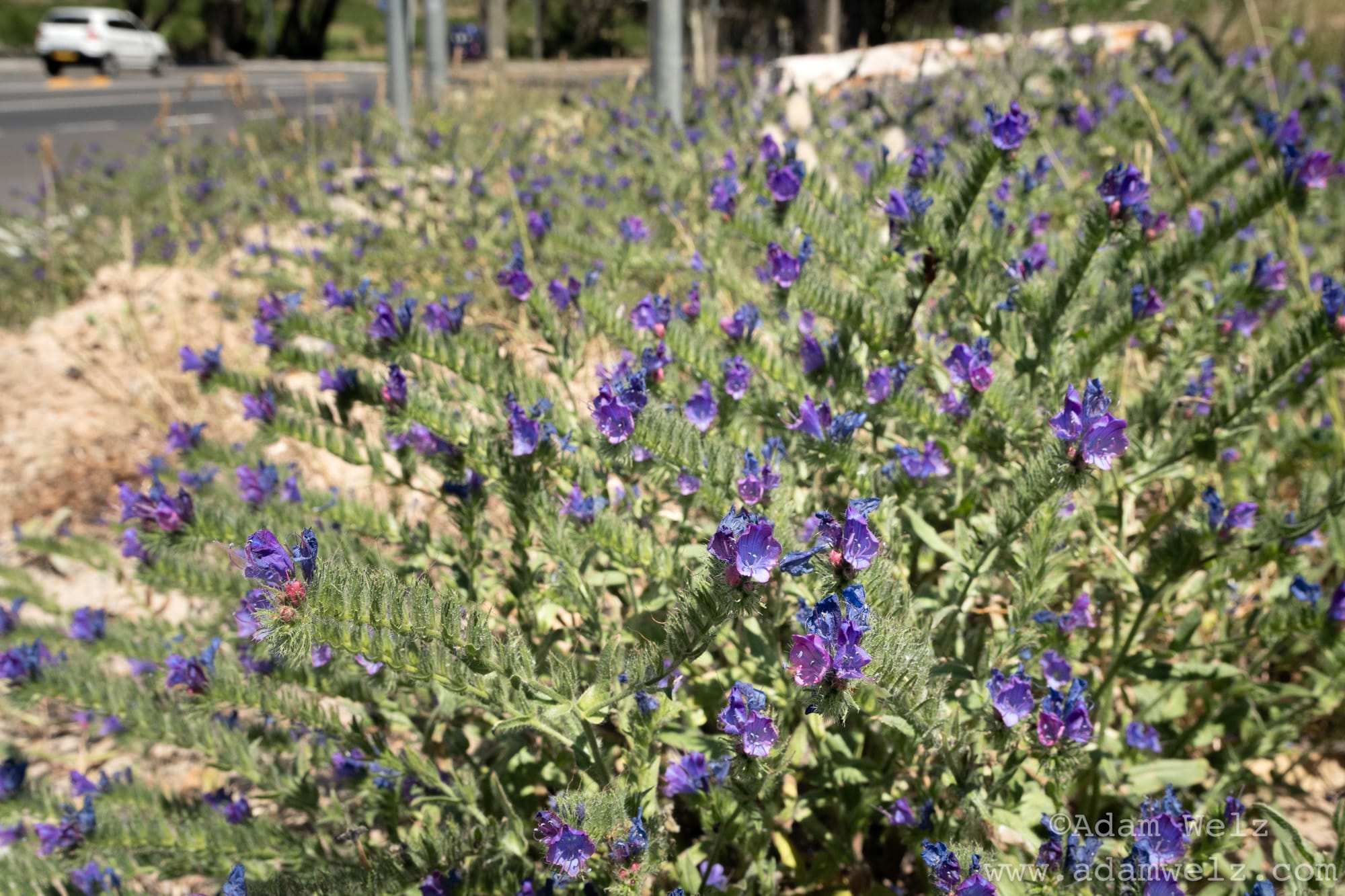
But Paterson’s Curse contains high concentrations of chemicals called pyrrolizadine alkaloids that are toxic to people and animals. People can be exposed to the plant’s toxins if they drink herbal tea made of its leaves or if they eat honey made by bees that have visited its flowers. Some people suffer skin rashes if they touch the plant.
Grazing animals — particularly non-ruminants like horses — can suffer weight loss, liver damage and even death if they consume significant amounts of Paterson’s Curse. (It's particularly hated by Australian farmers for this reason.)
The main way that Paterson’s Curse appears to be spreading across the South Peninsula is via horse bedding straw that’s contaminated with its seeds and via garden compost that’s inadvertently been made with the plants. Sometimes bedding straw is used to suppress dust on building sites, thus introducing Paterson’s Curse to new property schemes and roadbuilding sites.
Once a few plants begin growing in an area, a large, difficult-to-remove population can quickly build up; each Paterson’s Curse plant can produce thousands of tiny seeds.
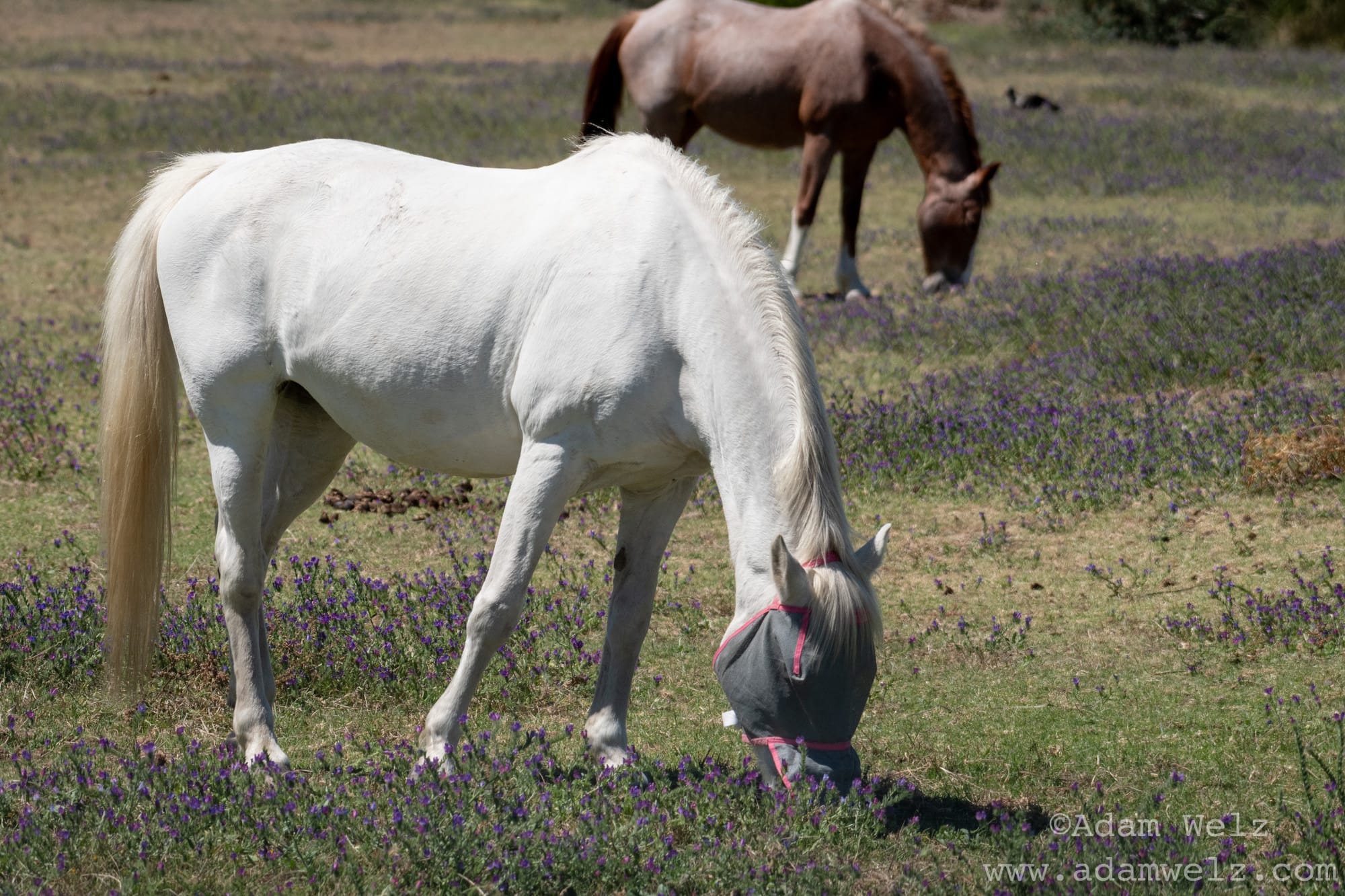
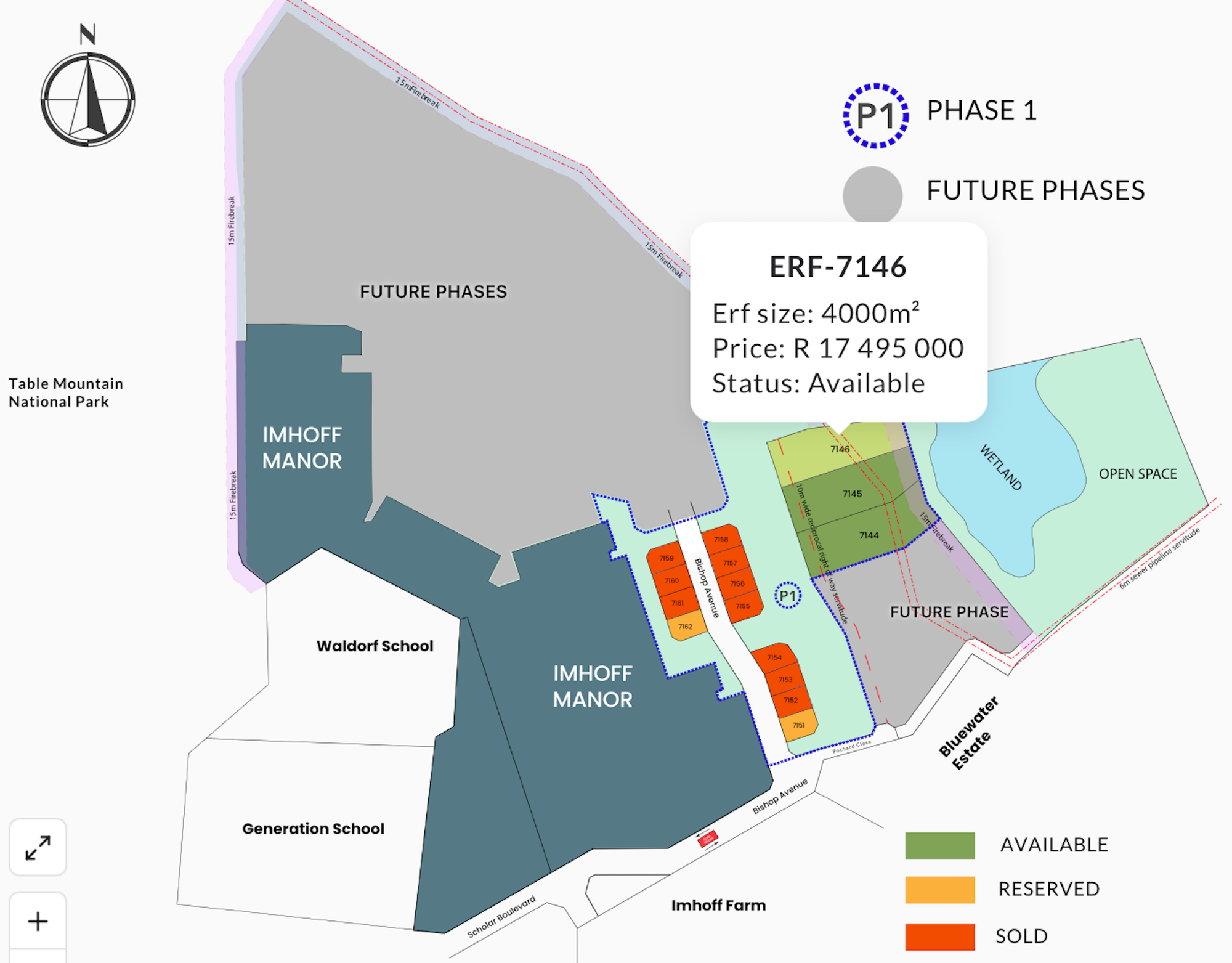
In the area around Kommetjie and Ocean View, thousands of Paterson’s Curse plants are already well-established in the paddock on the eastern side of the new Imhoff Manor estate, where horses are currently being grazed and adjacent “equestrian plots” are on sale for up to R17,495,000 each.
The plant is spreading into Ocean View and along Kommetjie Main Road and Wireless Road into Kommetjie; these infestations are light at present and the South Peninsula Nature Alliance is working with collaborators (shout-out to Fynforce!) to remove them as soon as possible.
Getting rid of Paterson’s Curse is not a simple matter of mowing it or spritzing it with a little Roundup. Using gloves — because Paterson’s Curse is prickly — you must completely remove every plant, roots and all, and immediately put it in a plastic rubbish bag. Then you must thoroughly burn the bag or dispose of it as regular rubbish. Don't leave Paterson’s Curse plants lying on the ground or put them in garden waste or on a compost heap; they will continue to shed seeds.
It can take a lot of careful hand-weeding, repeated over years, to remove Paterson’s Curse from an area.
If you see any Paterson’s Curse plants in your yard or your neighborhood, get rid of them ASAP via the method described above. Believe me, you do not want them to multiply!
See you in the fynbos!
Adam Welz
©Adam Welz / www.adamwelz.com
If you'd like to sponsor this newsletter to keep it freely available or help fund the South Peninsula Nature Alliance's work, please reach out via the contact form above.
To get new instalments of this newsletter as soon as they go live, click on any of the Subscribe buttons on this site, enter your name and email address, then confirm your subscription in your inbox. Signed-in members can also leave comments under newsletter posts.
Follow the SPNA on Instagram at www.instagram.com/komfynbos/
Check out Adam Welz's nature photography at www.instagram.com/adamwelz.wild
None of the writing or photography on this site was produced with or by generative AI. All the typos, grammaticals & inelegant sentences are the author's.